





On Monday, Asian markets finally had a reaction to the impressive U.S. jobs data and the robust Wall Street performance from the previous Friday. However, market sentiment and direction may be uncertain due to recent events in Israel and Gaza over the weekend.
The eruption of violence in the Middle East might lead to increased investments in traditional safe-haven assets like U.S. Treasuries, top-rated government bonds, gold, and the Swiss franc. This shift in funds could come at the expense of riskier assets such as emerging markets, potentially causing oil prices to surge as well.
Should the impact of Middle East events remain limited, Wall Street’s strong rally on Friday is likely to set the tone for Monday’s trading in Asia, especially with China returning to business after the Golden Week Holiday.
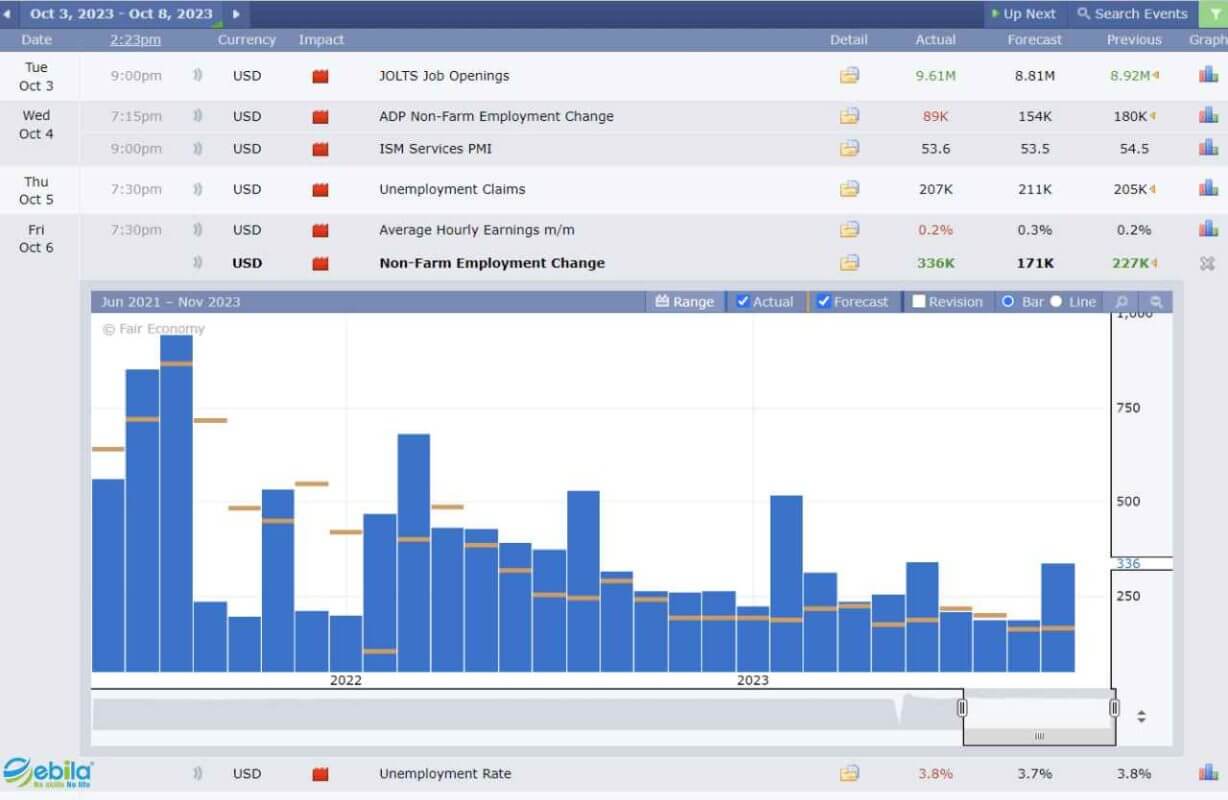
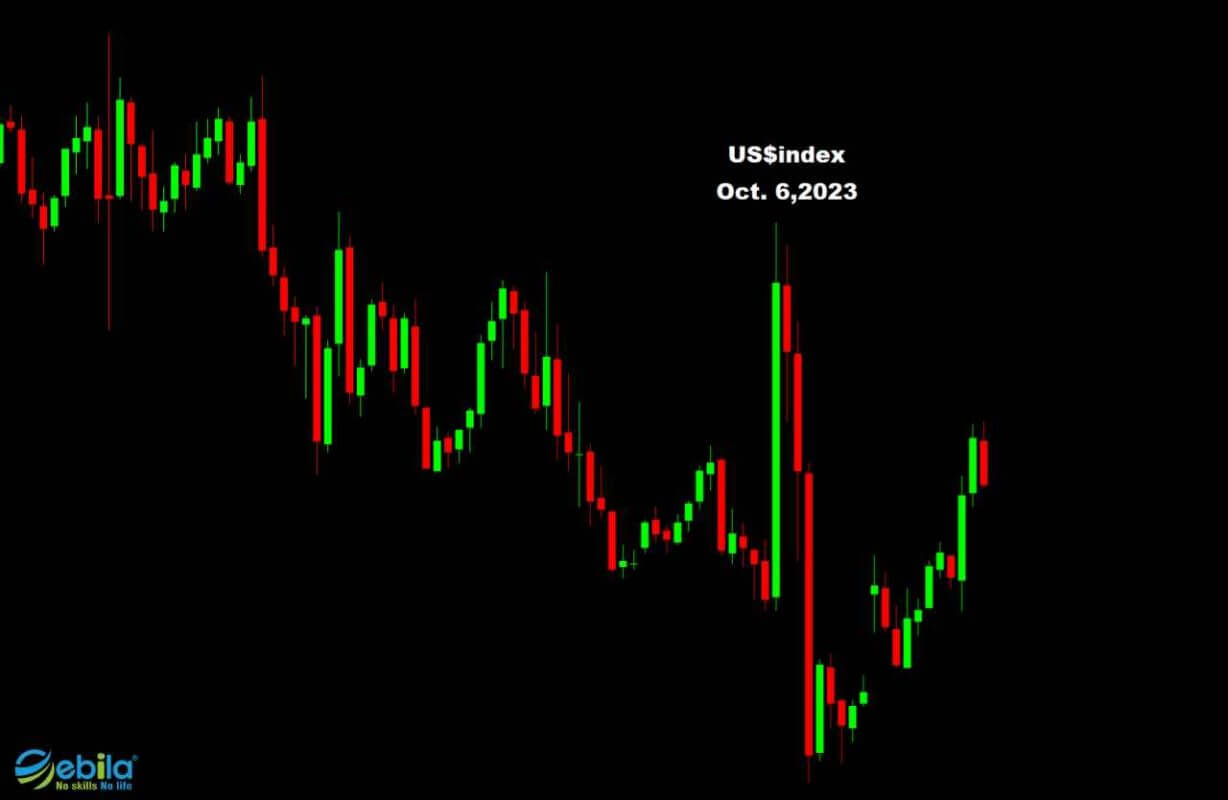
To summarize, the S&P 500 and Nasdaq posted their most significant gains since late August on Friday, with the S&P 500 breaking a four-week losing streak. This surge followed the release of U.S. job growth data for September that far exceeded expectations.
While U.S. bond yields increased, and the yield curve steepened, the simultaneous rally on Wall Street suggests that investors may be reevaluating their perception of the U.S. economy. It’s possible that the economy is resilient enough to withstand higher borrowing costs, and the natural interest rate may be higher than currently anticipated.
If the U.S. economy remains robust while other parts of the world face challenges, Asian markets may experience pressure as capital flows into U.S. assets. This could be positive news for the dollar but less favorable for emerging market currencies.
In this context, a barrage of critical Chinese economic data and events scheduled for this week, including consumer and producer inflation, trade figures, credit and lending growth, and money supply, will shed more light on whether the world’s second-largest economy is on a solid path to recovery.
On a related note, recent figures revealed that China’s foreign exchange reserves declined by $45 billion in September, dropping from $3.16 trillion in August to $3.115 trillion. While analysts had expected a decline to this level, it’s important to note that these figures do not account for valuation effects caused by exchange rate and bond price fluctuations. Therefore, it’s not necessarily the case that China divested $45 billion in U.S. bonds.
Nevertheless, the considerable selloff in the longer end of the U.S. bond market has once again raised concerns about foreign central banks potentially reducing their holdings of U.S. Treasuries. China’s official stash of U.S. Treasuries has been consistently decreasing in recent years, but the reality is more complex. Some observers argue that China may not be selling its dollar assets and may even be increasing them.
Here are key developments that could offer further guidance to the markets on Monday:
- Evolving situations in Israel and Gaza
- Speeches by Federal Reserve officials Barr, Logan, and Jefferson
- Release of Indonesia’s retail sales data for September
According to Jamie McGeever.
You might enjoy:


