




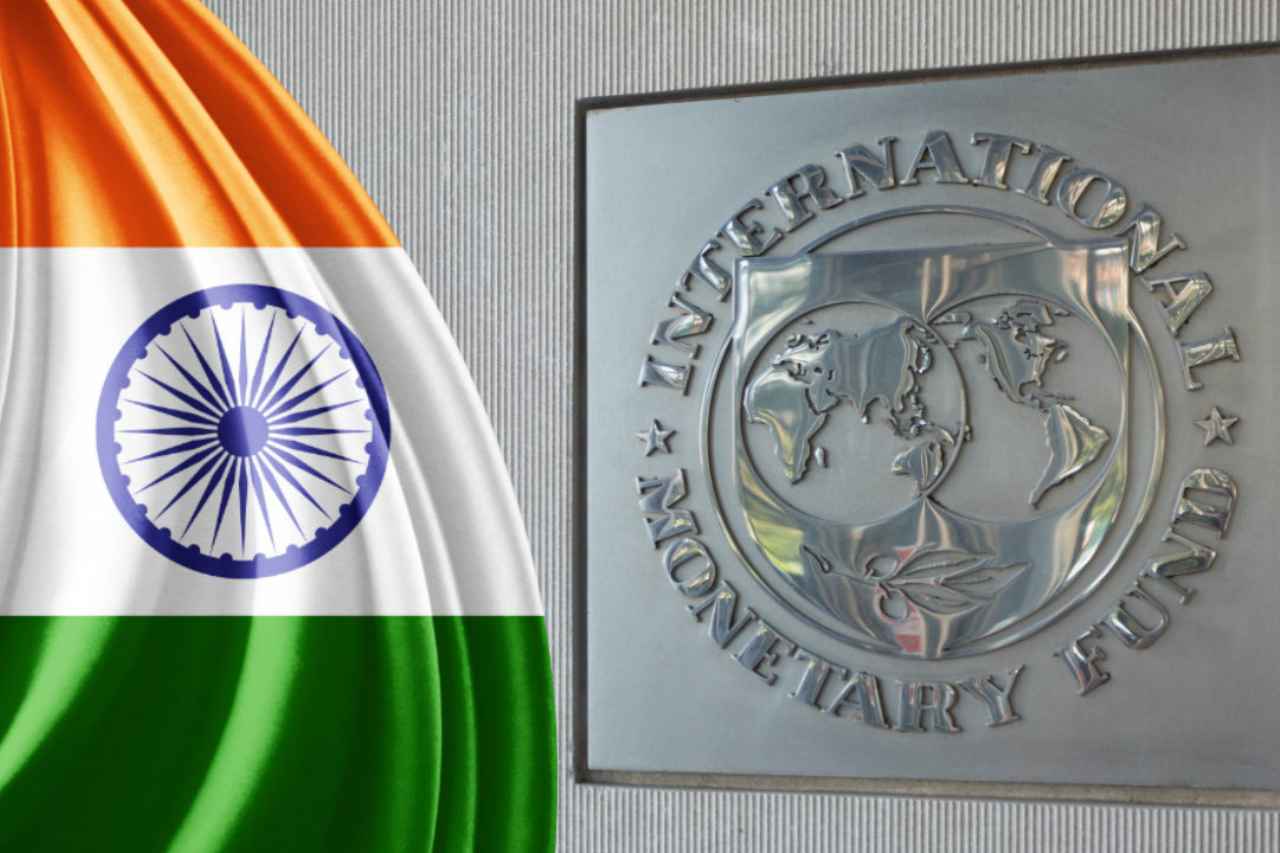
India’s exchange rate regime, previously classified as “floating”, has been redefined by the International Monetary Fund (IMF) as a “stabilized arrangement” for the period from December 2022 to October 2023. This reclassification is the result of an article IV review conducted on the country’s policies.
The reclassification is a result of the Reserve Bank of India’s interventions in the foreign exchange market, where the rupee exhibited limited movement against the U.S. dollar. The IMF report suggests that these interventions may have exceeded levels necessary to address disorderly market conditions.
While Indian authorities attribute exchange rate stability to improvements in the country’s external position, the IMF staff disagrees and emphasizes the potential use of foreign exchange interventions to prevent unwarranted volatility.
During the specified period, the rupee traded in a narrow range against the U.S. dollar, and volatility expectations decreased significantly. RBI Governor Shaktikanta Das stated in October that currency market interventions serve to prevent volatility and build reserves.
India’s forex reserves are evaluated at just above 100% of the IMF composite reserve adequacy metric, according to the report. The IMF advocates for a flexible exchange rate as the primary defense against external shocks in the future.
In terms of economic growth, the IMF projects a 6.3% growth rate for India in both the current fiscal year and the following one, which is below the Reserve Bank of India’s forecast of 7% for the current year. The IMF highlights India’s potential for higher growth with comprehensive reforms, emphasizing the contributions of labor and human capital.
The report acknowledges headline inflation’s gradual decline toward the target, despite volatility influenced by food price shocks. In November, retail inflation reached 5.55%, exceeding the central bank’s target of 4%.
Given elevated public debt levels, the IMF calls for India to pursue ambitious medium-term consolidation efforts. It also welcomes the near-term approach of accelerating capital spending while tightening the fiscal stance. The federal government aims to reduce the fiscal deficit to 5.9% in the current fiscal year and further to 4.5% by 2025-26.
According to Investing.com
By. Pham Thanh Bien
You might enjoy:


 shifts India's exchange rate from "floating" to "stabilized" for December 2022 to October 2023.)