




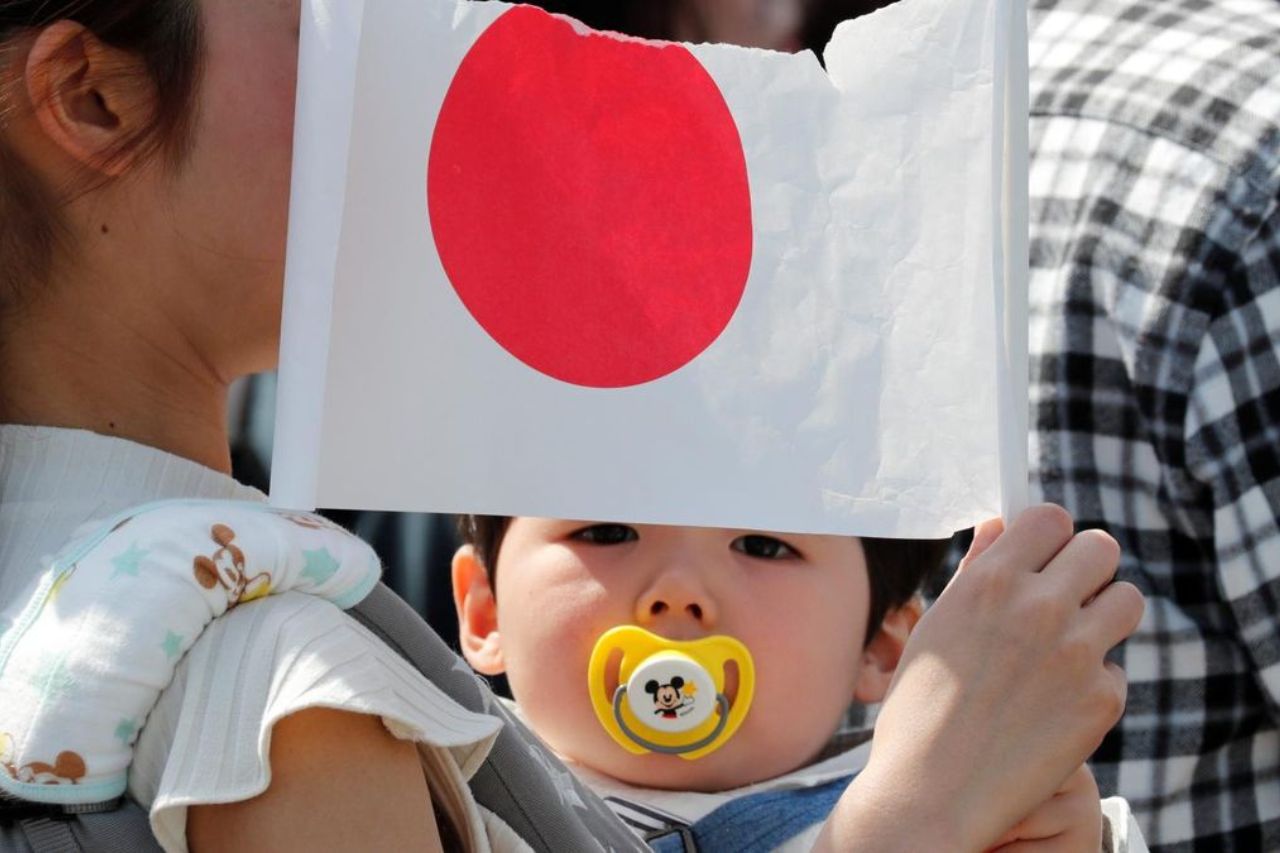
This figure is only half of the birth rate in 1983, with around 1.5 million births.
As a result, the number of newborns in 2023 decreased by 5.1% compared to the previous year’s total of 799,728, representing the largest decrease to date. This marks the first time the number has fallen below 800,000 births since 2022.
During the COVID-19 pandemic, in 2020, the number of couples getting married in Japan hit its lowest point since the end of World War II, and it even decreased further in 2021. This may contribute to the decline in the birth rate in 2023.
An official from the Japanese Ministry of Health stated, “People tend to marry and have children later. In addition, the COVID-19 pandemic may affect marriage and birth rate.”
The National Institute of Population and Social Security Research in Japan estimated in 2017 that the population of Japan would drop below 100 million by 2053 and decrease to 88.08 million by 2065.
In early February, the Japanese government passed a bill to strengthen measures to address the declining birth rate more rapidly than expected. The law includes plans to expand benefits for children and childcare leave allowances. The government plans to increase funding for these measures to 3.6 trillion yen annually by the fiscal year 2028.
The annual number of newborns was about 2.7 million during the first baby boom from 1947 to 1949 and about 2.1 million during the second baby boom from 1971 to 1974. This number dropped to below 1 million in 2016, below 900,000 in 2019, and below 800,000 in 2022.
In 2023, the number of couples getting married decreased by about 30,000 compared to the previous year, reaching a new post-war low of 489,281.
The number of deaths reached a record high of 1,590,503, increasing for the third consecutive year. The natural population decline of Japan (deaths minus births) reached 831,872. This is the 17th consecutive year of natural population decline and the largest decrease to date.
The preliminary number of newborns includes infants born to foreign residents in Japan and Japanese nationals living abroad. This revised figure may be even lower as it only counts Japanese citizens residing in the country.
Impact of declining birth rates on the economy and market
With a sudden decrease in the birth rate, Japan will face a shortage of labor. This will increase pressure on the labor market, raise labor costs, and reduce competitiveness in industries. Businesses may struggle to find and retain quality personnel.
In addition to labor force issues, businesses may need to adjust their business strategies to adapt to the new market, focusing on the elderly and smaller families. This could create new opportunities for the healthcare and entertainment service industries for the elderly.
With the declining birth rate, the social security and insurance systems may face significant pressure as welfare policies need to be adjusted to meet the needs of an increasingly aging population. At the same time, support funds for the elderly and those without caregivers may need to be strengthened.
Japan may need to increase investment in research and development to face the challenge of declining birth rates. Policies promoting education, training, and research may become more crucial than ever to sustain economic strength.
You might enjoy:


