




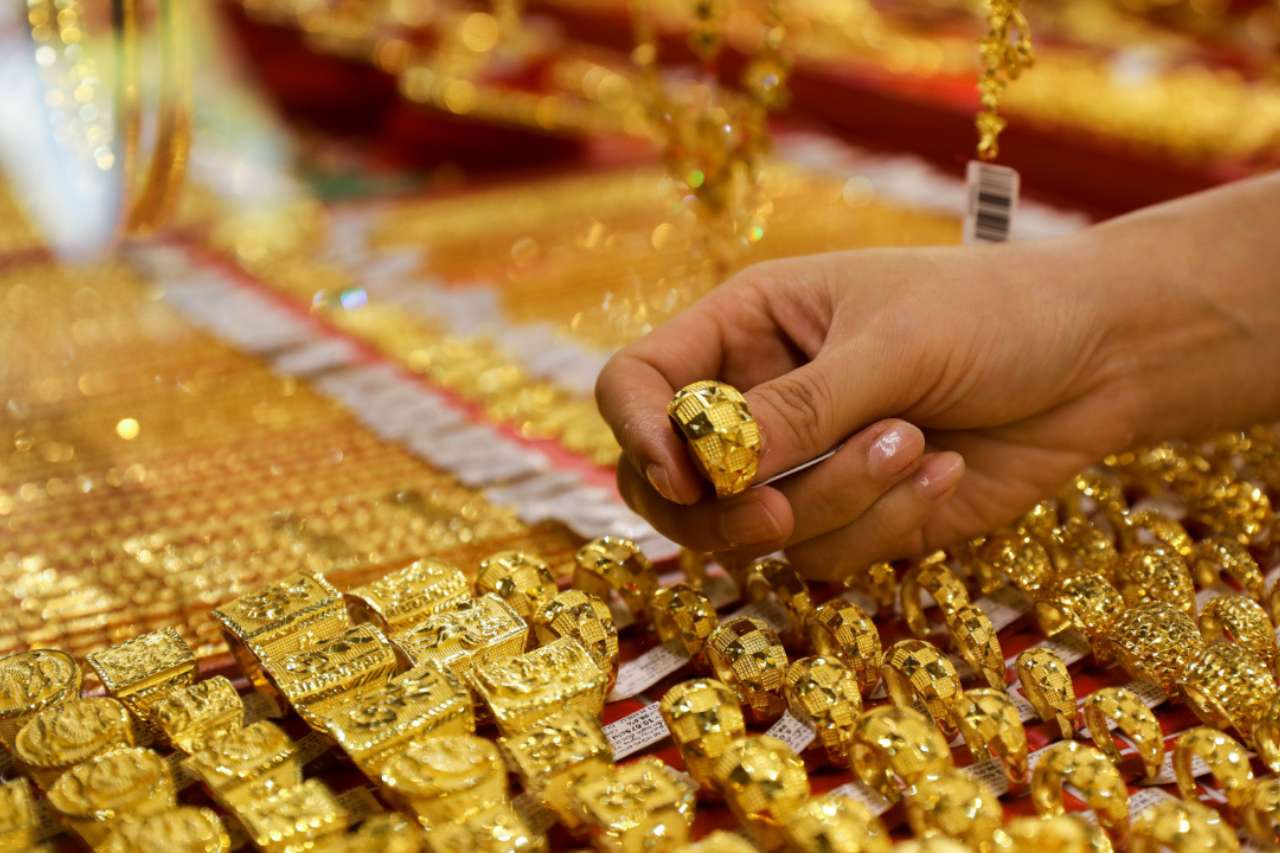
Gold price remained relatively unchanged in Asian trading on Wednesday, preserving most of the losses incurred in the previous week as investors doubted the likelihood of early interest rate cuts by the Federal Reserve.
The focus was primarily on the upcoming U.S. consumer price index data, which could reveal whether U.S. inflation persisted in December.
Gold experienced significant declines in the past week as traders gradually reduced their expectations of the Fed initiating interest rate cuts as early as March 2024. This shift in sentiment led to substantial gains in the dollar, putting downward pressure on gold price.
Despite these challenges, the precious metal managed to stay above the important $2,000 per ounce threshold, a level it surpassed in early December. Gold price also showed a 10% increase for the year 2023.
As of 00:28 ET (05:28 GMT), spot gold stabilized at $2,029.30 per ounce, while gold futures expiring in February held steady at $2,034.65 per ounce.
The upcoming release of CPI data on Thursday is anticipated to reveal a slight growth in inflation for December. The persistence of sticky inflation, combined with recent indications of strength in the labor market, provides the Federal Reserve with more flexibility to maintain higher interest rates for an extended period.
Traders have been gradually reducing their expectations of the Fed implementing rate cuts as early as March 2024. According to the CME Fedwatch tool, the probability of a 25 basis point rate cut in March has decreased to 63.6%, down from 69.6% recorded a week ago.
Federal Reserve officials have also been pushing back against the notion of early rate cuts. Atlanta Fed President Ralph Bostic expressed a bias toward maintaining tight monetary policy in the near term.
While the Fed has signaled an eventual rate cut in 2024, it has provided limited details on the timing of such cuts. The central bank continues to adopt a predominantly data-driven approach to adjusting interest rates.
The prospect of higher rates increases the opportunity cost of investing in gold, which yields no interest. This dynamic has exerted pressure on the precious metal over the past two years, with gold experiencing consistent gains only in anticipation of lower rates in 2024.
Copper price decline due to a pessimistic economic outlook
Copper price experienced a slight increase on Wednesday, recovering somewhat from a significant decline in the previous week. However, concerns about a potential slowdown in demand throughout the year persisted.
March-expiry copper futures saw a 0.3% rise to $3.7717 per pound, yet they remained down by over 2% in the early months of 2024.
The decline in copper price was largely attributed to a series of discouraging economic indicators worldwide, with particularly worrisome data from leading importer China. Investors are apprehensive about the impact of slowing economic activity on copper demand for the year, especially considering the prevailing influence of high interest rates on the economy.
Attention is now focused on upcoming Chinese inflation and trade data scheduled for release on Friday, as they are expected to provide further insights into the prospects for the world’s largest copper importer.
According to Investing.com
By. Pham Thanh Bien
You might enjoy:


