




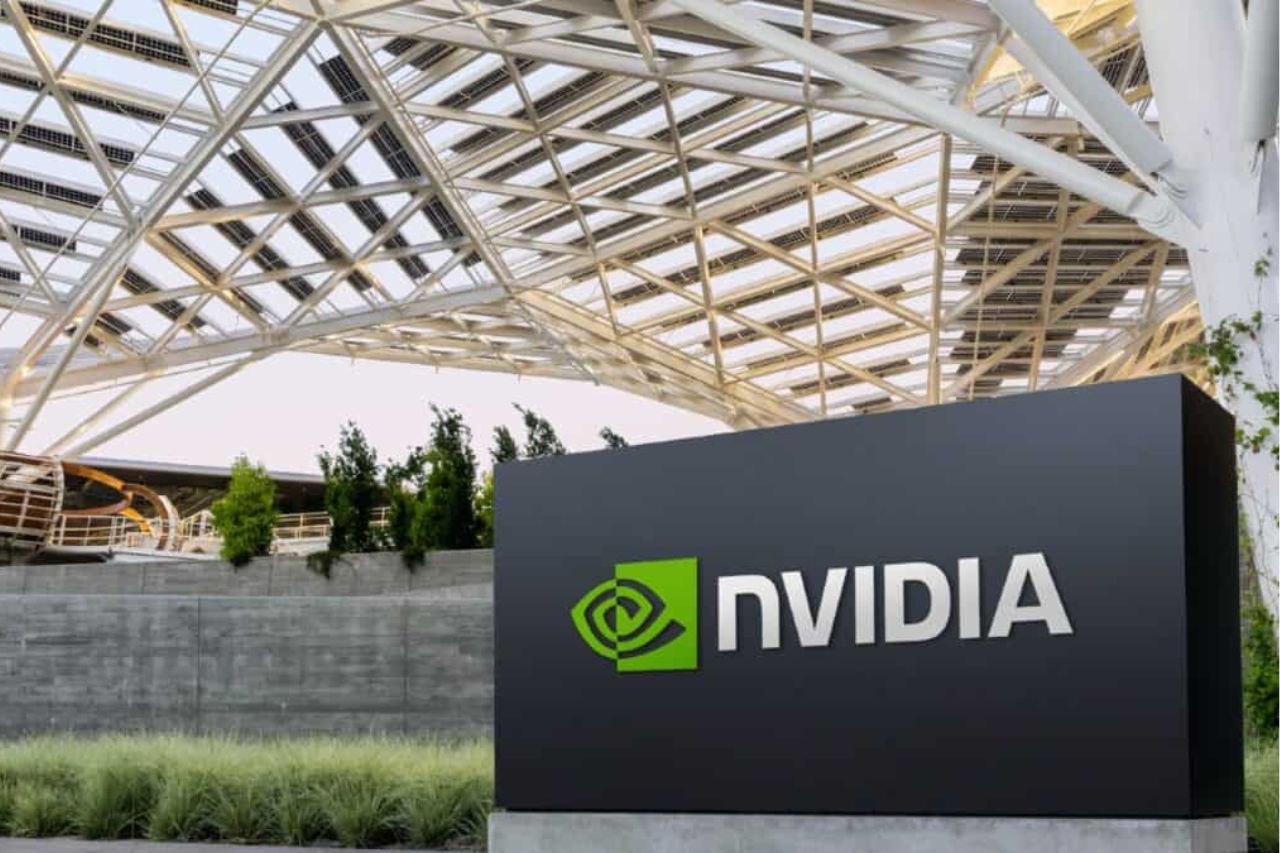
Nvidia’s quarterly forecast announcement on Wednesday failed to meet investor expectations, who have been betting billions of dollars in hopes of boosting the company’s stock growth – the future of artificial intelligence.
Shares of the chip maker fell 6% in after – hours trading, putting pressure on other chip manufacturers’ stocks. The report was seen as a judgment day for the tech industry, with mixed results, despite high growth and profitability.
“Here’s the issue”, said Ryan Detrick, chief market strategist at Carson Group. “The size of the beat this time was much smaller than we’ve been seeing”. He added: “even future guidance was raised, but again, not by the tune from previous quarters. This is a great company that is still growing revenue at 122%, but it appears the bar was just set a tad too high this earnings season”.
For the last three consecutive quarters, Nvidia has recorded revenue growth of over 200%, but the company’s ability to exceed estimates is at risk of declining as each success drives Wall Street to raise targets even higher.
Much depends on this outlook from Nvidia, the company’s stock has risen more than 150% this year, adding $1.82 trillion in market value and pushing the S&P 500 to new highs. However, if Wednesday’s after-hours stock loss holds, Nvidia will lose $175 billion in market value.
Nvidia is also facing increased regulatory scrutiny over its operations. The company stated in its quarterly filings that it had received requests for information from regulators in the United States and South Korea related to “sales of GPUs, our efforts to allocate supply, foundation models, and our investments, partnerships, and other agreements with companies developing foundation models”. Previously, the company only reported requests from the EU, the UK, and China.
Nvidia expects an adjusted (gross profit margin) of 75%, plus or minus 50 basis points, in the third quarter. The company reported a gross profit margin of 75.7% in the second quarter compared to the average estimate of 75.8%.
The company’s gross profit margin remains higher than competitors, thanks to the high prices associated with its fast chips.
In the end, we can still trust that all this slowdown is just an accumulation phase waiting for a major boom for the future of artificial intelligence.


