




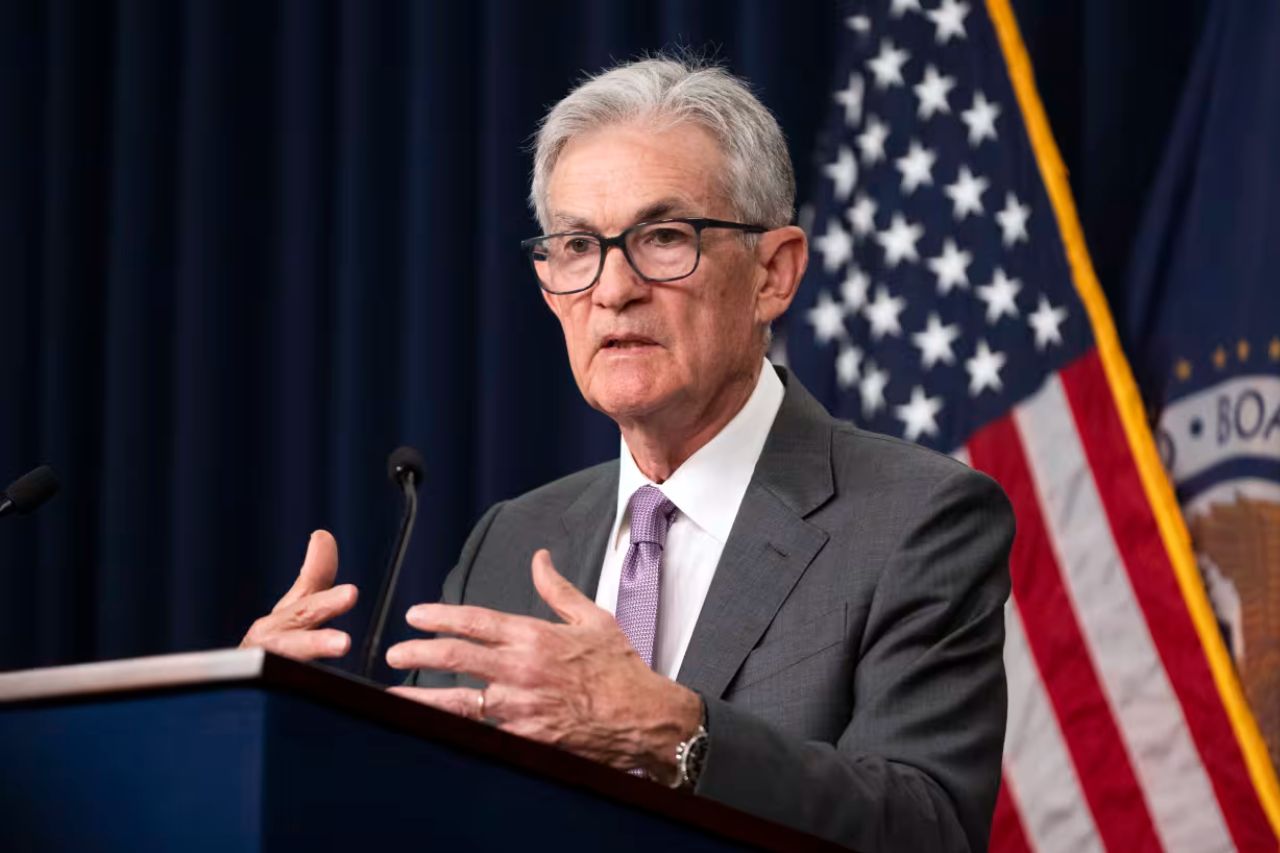
With the FED signaling a likely rate cut at its September 18 meeting, investors are adjusting their strategies in anticipation of a changing market environment.
Recent statements by Fed Chair Jerome Powell at the Kansas City Fed’s Jackson Hole Economic Symposium clearly hinted at an upcoming rate cut, likely by 25 basis points.
The market’s response to Powell’s comments was immediate, with stocks rising and bond yields falling. This strengthens the extended stock market rally that began last October.
The rally, which had been concentrated in a few sectors, now has the potential to expand to previously lagging sectors, providing more balanced growth across the market.
Analysts at Piper Sandler have issued a warning to investors if the Federal Reserve decides to ease monetary policy aggressively.
Compared to history in the late 1960s, they warn that such a move could ignite inflation, especially if unemployment remains low.
Reflecting on past events, Piper Sandler noted: “Back in 1966, the unemployment rate was at a very low 3.6%” and after a period of tightening, the Fed made aggressive rate cuts to maintain a strong labor market.
Piper Sandler explained that this decision temporarily reduced unemployment but ultimately set the stage for soaring inflation in 1969.
Analysts are concerned that history could repeat itself if the Fed acts similarly today.
Piper Sandler raised an important question: “Is Powell risking a 1968 – 1969 inflation repeat by easing aggressively with unemployment still near multi-decade lows?”
Without a “persistent shift in unemployment rates”, inflation may not decrease as expected. If the Fed eases too aggressively, analysts warn, investors should be “very concerned about inflation”.


