




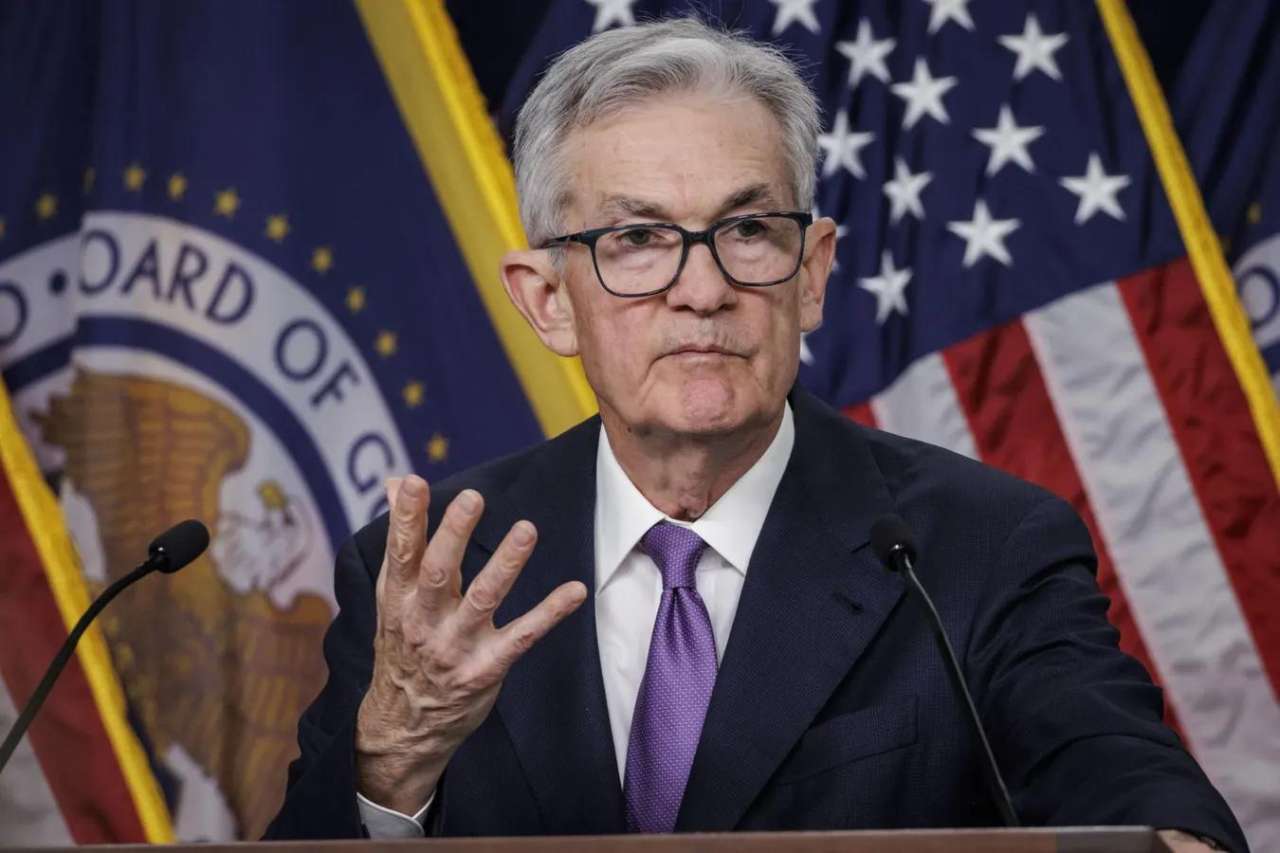
According to the report released by the U.S. Department of Labor on January 11, the Consumer Price Index (CPI) for December 2023 exceeded the predictions of economists.
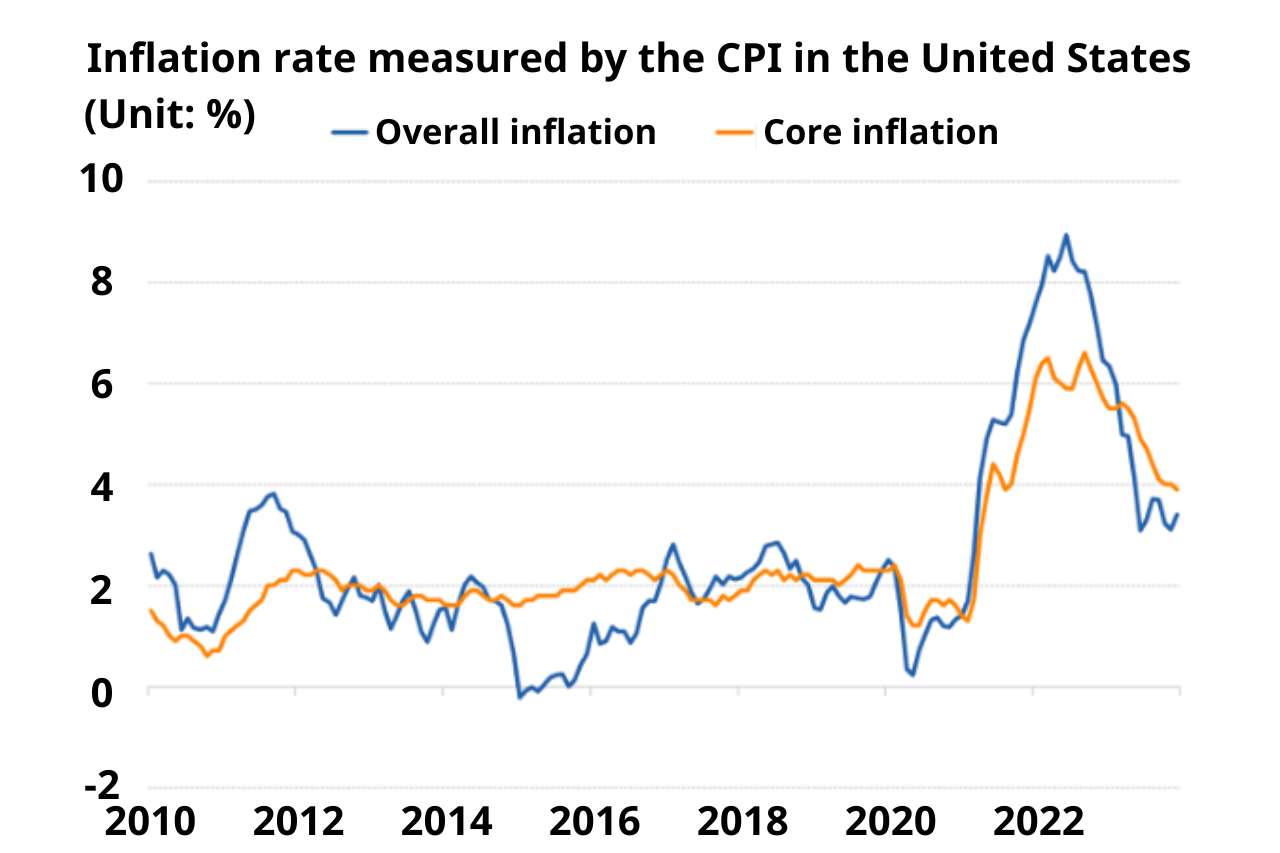
In detail, the December CPI increased by 0.3% compared to the previous month and rose by 3.4% compared to the same period last year. Economists surveyed by Dow Jones had anticipated increases of 0.2% and 3.2%, respectively.
This development coincides with a period where many market experts and Federal Reserve officials observe a relaxation of inflationary pressures, as reported by CNBC.
Excluding the volatile food and energy prices, the core CPI rose by 0.3% from November and increased by 3.9% compared to the same period in 2022. Economists had forecasted corresponding figures of 0.3% and 3.8%.
The majority of the upturn is attributed to housing costs, with this category increasing by 0.5% from the previous month and contributing to over half of the core overall of CPI increase. Comparatively, housing costs escalated by 6.2% compared to the same period, representing about two-thirds of the total increase.
Food prices witnessed a 0.2% increase, mirroring the figure recorded in November, while energy prices grew by 0.4% after a 2.3% decline in November. Specifically, gasoline prices experienced a 0.2% uptick.
The report also revealed that motor vehicle insurance costs rose by 1.5%, healthcare increased by 0.6%, and prices for used cars edged up by an additional 0.5%.
In a separate report from the U.S. Bureau of Labor Statistics, wages adjusted for December inflation saw a slight increase of 0.2% from the previous month and a modest 0.8% rise compared to the same period.
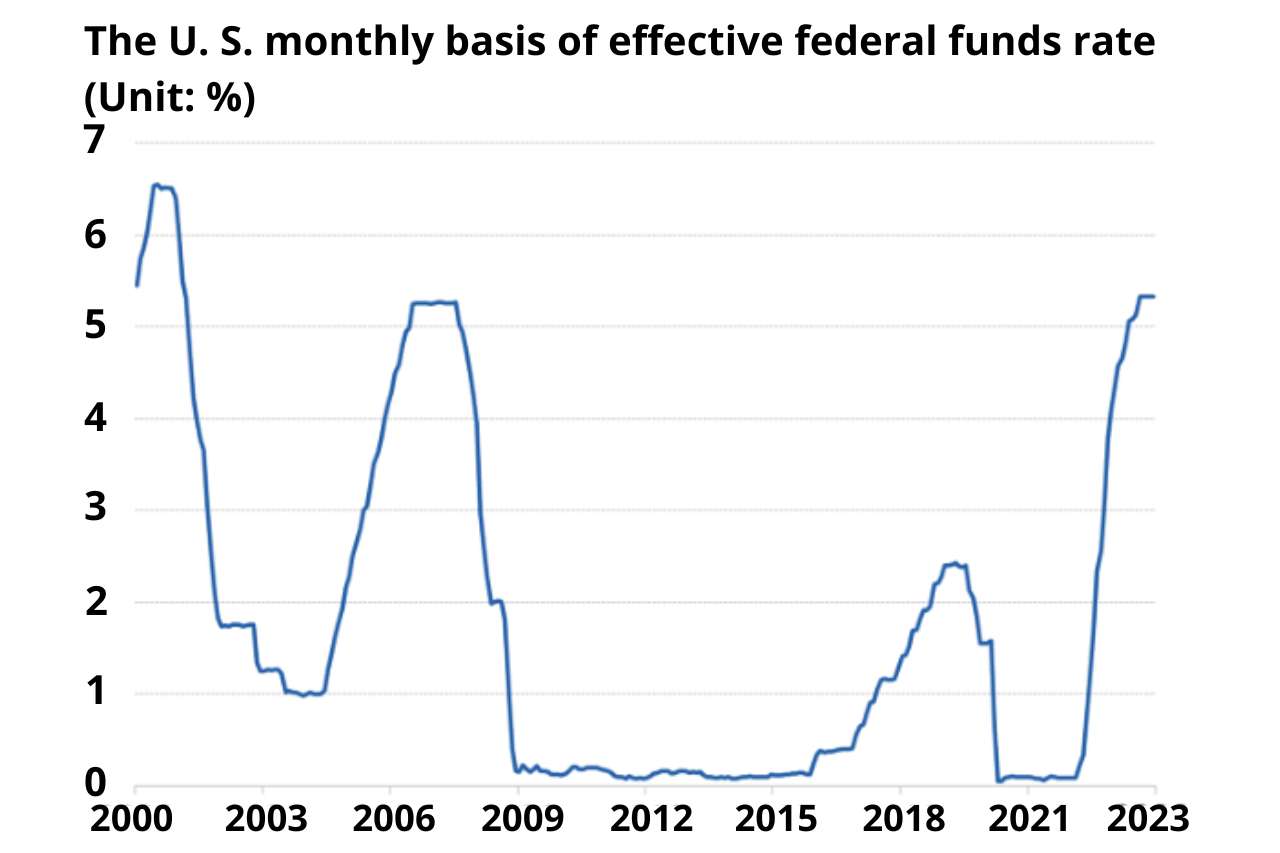
At the December 2023 meeting, the Federal Reserve opted to keep interest rates within the range of 5.25 to 5.5%. Alongside this decision, policymakers suggested the potential initiation of interest rate cuts in 2024, contingent on a continued decline in inflation data.
Despite the December CPI exceeding expectations, investors still predict a 63% probability of the Fed commencing interest rate cuts in March, according to CME Group’s FedWatch tool.
However, this probability reflects differing viewpoints between the market and the Fed regarding the timing and extent of interest rate reductions in 2024. While the market anticipates six cuts, the Fed’s projection is three.
Seema Shah, a global strategist at Principal Asset Management, remarked, Today’s report is not bad, but it shows that progress is still slow, and inflation is unlikely to drop to 2% in one go”.
“Undoubtedly, with housing costs remaining high, the Fed is likely to resist the possibility of policymakers reducing interest rates”, Shah shared with CNBC.
In recent days, certain officials at the Federal Reserve have conveyed somewhat cautious sentiments, refraining from committing to an early easing of monetary policy.
On January 10, John Williams, the President of the New York Fed, mentioned that inflation had evidently moderated from its peak in mid-2022, which was more than a 40-year high, and that there was positive progress. However, he did not provide a clear indication of when interest rates might be cut, emphasizing instead that the Fed might need to uphold a tighter monetary policy for an extended period.
Other officials, including Fed Governor Michelle Bowman and Dallas Fed President Lorie Logan, have also expressed doubt. They suggested that they would not hesitate to raise interest rates if inflation were to rise.
By. Pham Thanh Bien
You might enjoy:


