




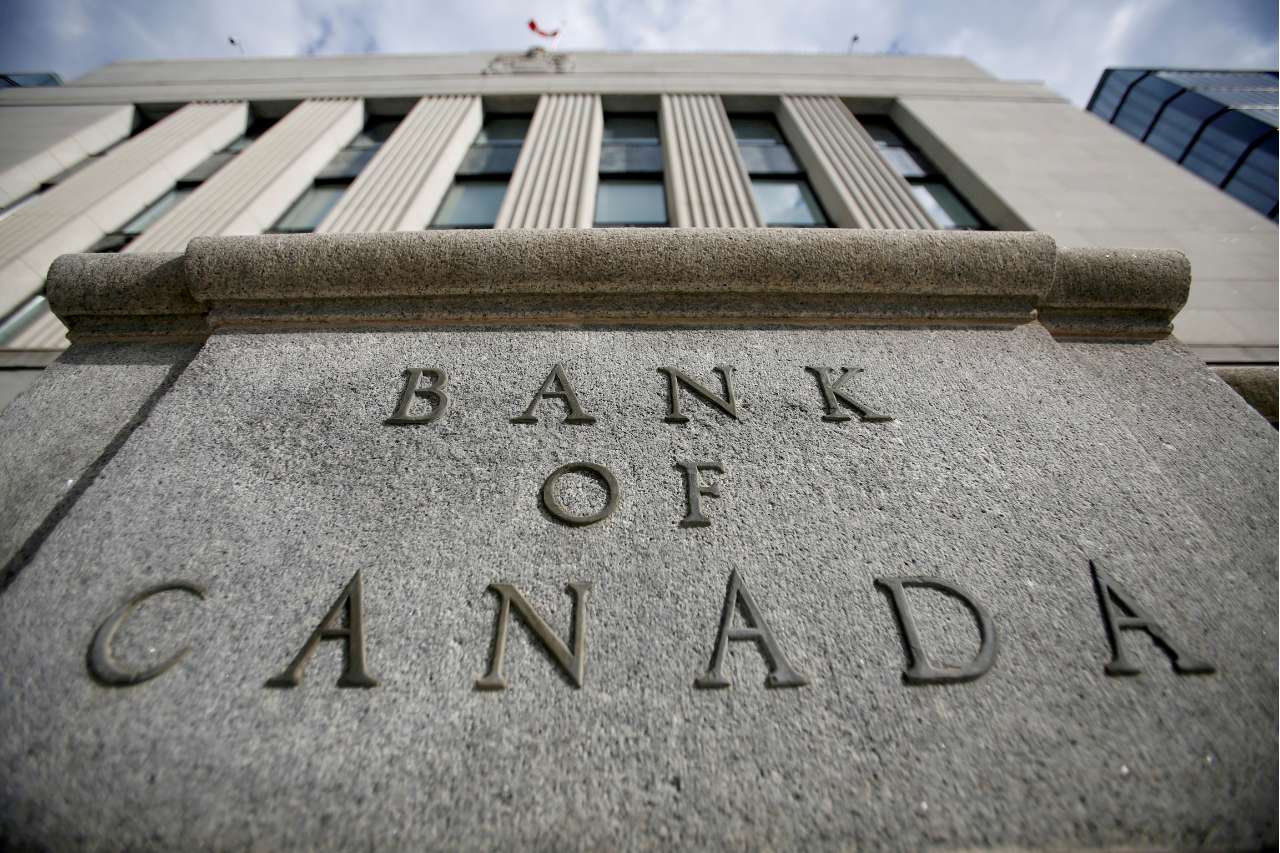
On December 6 (local time), the BoC once again decided to maintain the key interest rate at 5%, marking the third consecutive decision in 2023.
While there were no specific adjustments, the bank still hinted at the possibility of raising interest rates in the future if inflation does not decrease, although the market has begun to anticipate a rate cut in 2024.
This decision by the BoC, although not surprising, remains a major topic of interest. The Globe and Mail had previously predicted the likelihood of keeping interest rates unchanged amid an economically challenging market and slowing growth.
BoC Governor Tiff Macklem shared the view that excess demand in the economy has decreased, and he also assessed that interest rates seem to have peaked. This assessment is supported by data indicating a deceleration in economic growth and inflation, especially after a sharp increase in the summer.
While there are still concerns about the possibility of inflation rising again, the BoC is increasingly confident in the effectiveness of its tight monetary policy.
Higher interest rates have exerted upward pressure on households and businesses, reducing demand for goods and services, contributing to inflation control.
Recent economic figures also show that this strategy has been effective. The report on national GDP in the third quarter of 2023 showed a 1.1% decrease compared to the same period last year, and the labor market added 25,000 jobs in November, although the unemployment rate increased to 5.8%.
However, despite inflation having decreased from its peak in June 2022, additional evidence is needed to assess the sustainability of this reduction.
The final message from the BoC is that they remain cautious and ready to apply flexible monetary policies depending on market and economic developments in the future. There is a possibility of interest rate cuts from March next year, but some economic experts predict that this may happen in mid-2024.
While the BoC is increasingly confident in its current policy, careful monitoring and flexibility will be key to dealing with potential challenges in the future. The strength and resilience of the Canadian economy will play a crucial role in determining the BoC’s next steps.
Reference: Vietstock
By. Pham Thanh Bien
You might enjoy:
- Yen Increased Dramatically after a Shift Signal from the Bank of Japan
- Bitcoin Mining Consumes More Water Than New York in One Year


