




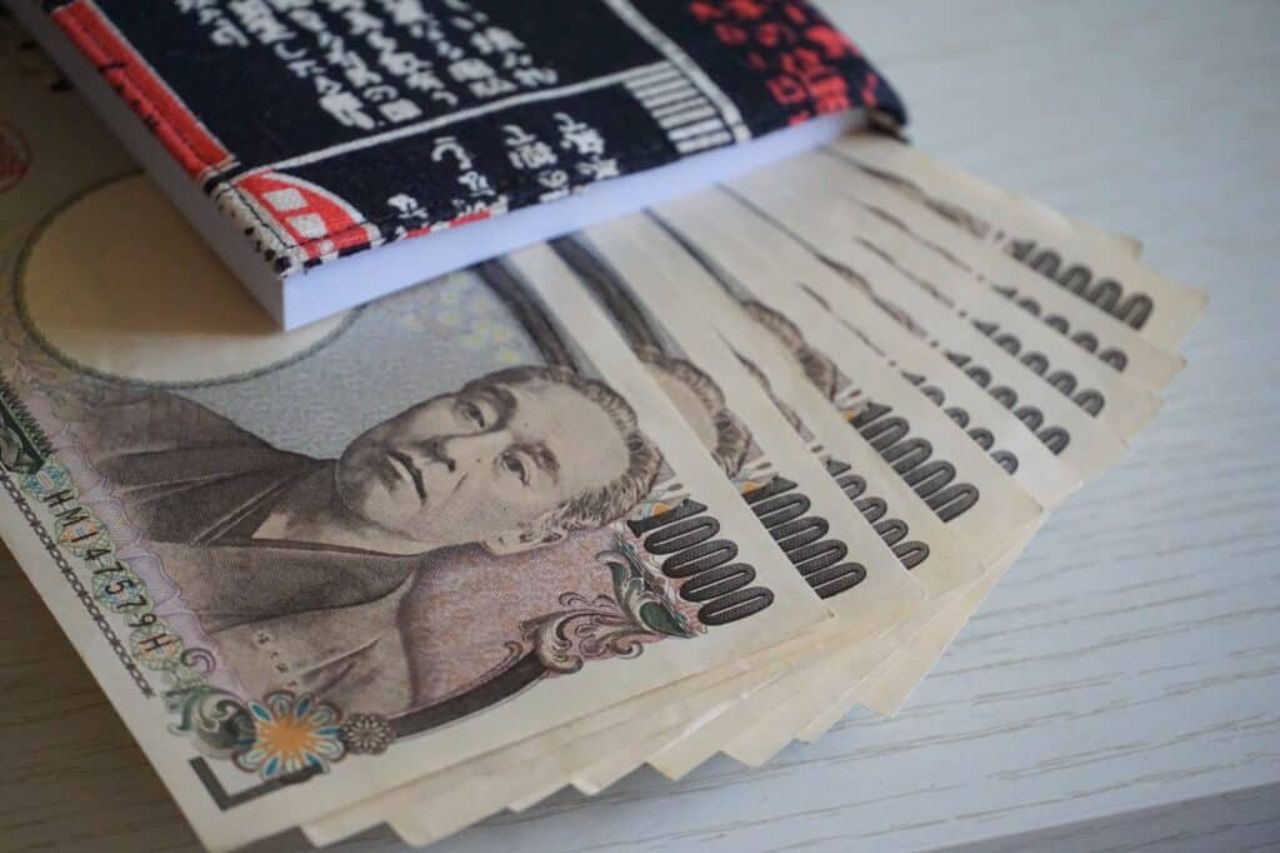
Following a two-day meeting, the Bank of Japan (BOJ) has decided to maintain its accommodative policies. The BOJ will keep short-term interest rates at -0.1% and the 10-year yield target at 0%, making it the only central bank globally with a negative interest rate regime.
The central bank will also continue its Yield Curve Control (YCC) policy to stabilize the yield on 10-year government bonds at approximately 1.0%. Furthermore, the BOJ will uphold its practices of purchasing stocks, real estate investment trusts (REITs), and commercial bonds.
The BOJ stated its readiness to implement “additional easing measures if necessary”. The commitment to the YCC policy will persist “as long as it is necessary to maintain the [2% inflation] target in a stable manner”.
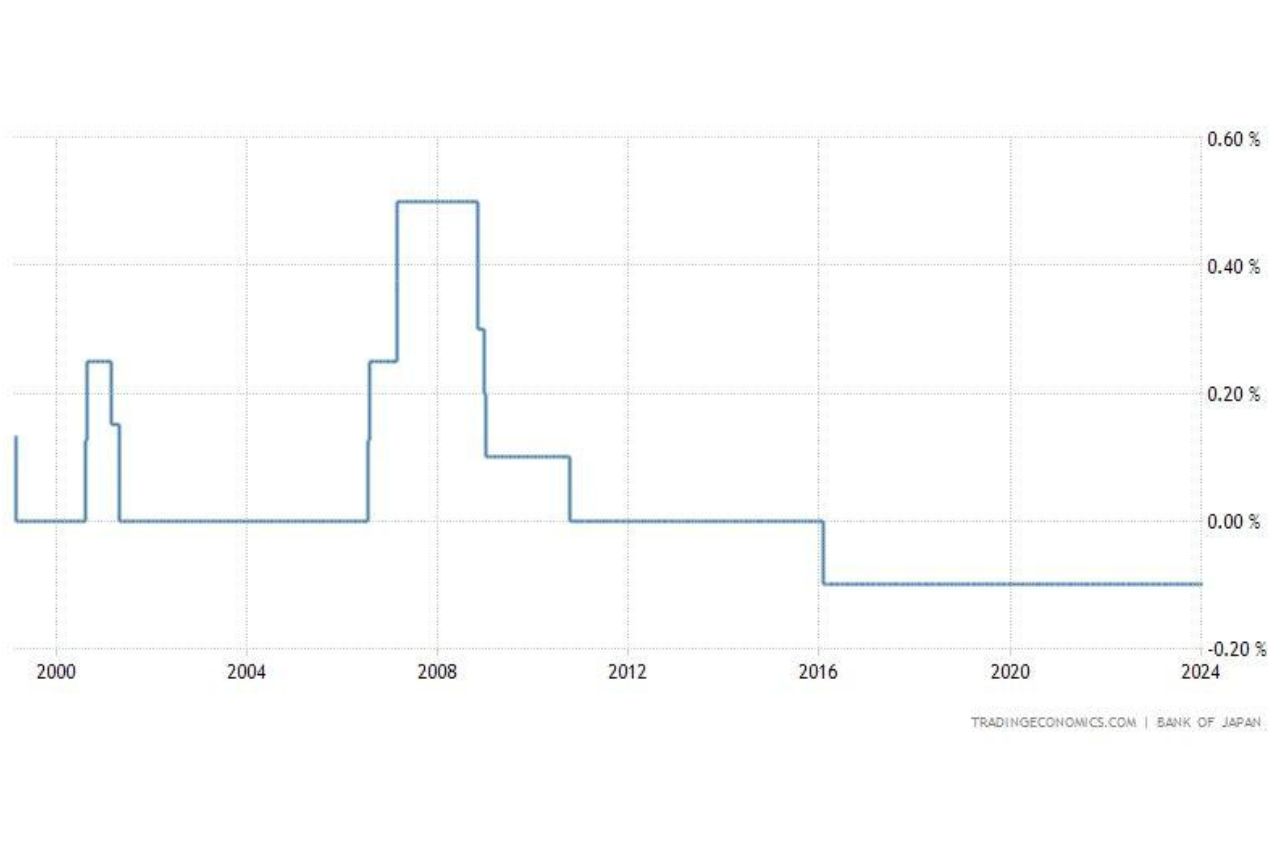
BOJ has indicated that all future decisions will be based on economic data, including ongoing wage negotiations in Japan this year.
In the recently released quarterly economic forecast, BOJ revised down the projection for consumer inflation from 2.8% to 2.4% for the upcoming fiscal year starting in April. Additionally, the central bank increased the inflation forecast for the fiscal year 2025 from 1.7% to 1.8%.
Most economic analysts anticipated no changes in the January meeting. Ongoing relief efforts following a significant 7.6 magnitude earthquake earlier in the year continue along Japan’s central coast. Consequently, economists believe that BOJ is unlikely to make sudden policy changes to address the emergency situation.
In December 2023, Japan experienced a continued decrease in core consumer inflation, reaching 2.3%, the lowest point in 18 months when excluding fresh food prices. The consumer inflation rate, excluding food and energy, was recorded at 3.7%, indicating a widespread price increase from goods to services.
BOJ is actively monitoring the annual wage negotiation process between businesses and major labor unions, with negotiations expected to take place in mid-March. BOJ Governor Kazuo Ueda stressed the importance of these negotiations leading to favorable outcomes for sustainable wage increases.
According to a QUICK survey, 18 out of 23 economists anticipate that BOJ will conclude its negative interest rate policy in the second quarter. BOJ’s Policy Board is scheduled to meet on March 18-19, followed by another meeting on April 25-26.
Despite these considerations, BOJ cannot adopt a passive stance, as the yen is experiencing downward pressure against other currencies. On January 18, the yen fell to 148.26 yen per USD, marking the lowest level since reaching a 33-year low in November of the previous year.
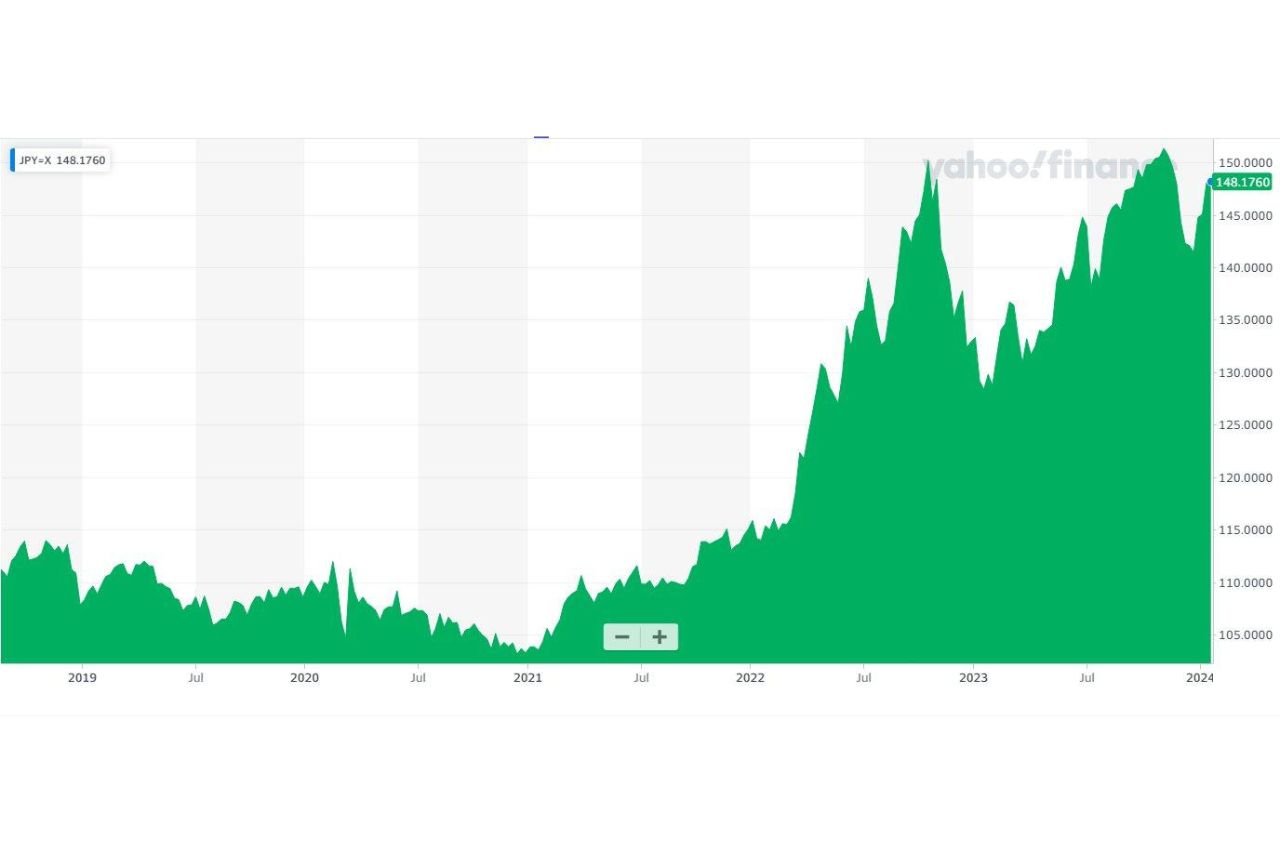
In recent periods, the Japanese yen has come under strain compared to the U.S. dollar due to the contrasting interest rate policies of the United States and Japan. The U.S. has increased interest rates to combat inflation and has not signaled any imminent rate cuts. In contrast, Japan has maintained negative interest rates, leading investors to sell yen and seek higher returns in other channels.
A former BOJ director stated to Nikkei Asia last week, “If the yen continues to slide and approaches the level of 160 yen per USD, BOJ will alter its policy to prevent that from happening”.
According to Nikkei Asia
By. Pham Thanh Bien
You might enjoy:


